
When you submit an immigration petition to USCIS, it’s not always a straightforward process. Sometimes, USCIS may issue a Request for Evidence (RFE) to ensure that your application meets all the necessary criteria. At The Scheer Immigration Law Group, we often assist clients in managing the aftermath of an RFE, helping them understand what’s expected and how long the process can take. Once you’ve submitted the requested documents, the waiting game begins. This article will explain how long USCIS typically takes to review your case after responding to an RFE, factors that influence processing times, and what you can do to ensure your case moves smoothly through the process.
Our Legal Team
At The Scheer Immigration Law Group in Morristown, NJ, we focus exclusively on immigration law, handling everything from visas and green cards to deportation defense.
With over 25 years of experience, our team is known for delivering knowledgeable, effective representation to clients across the U.S.


What is a Request for Evidence (RFE)? 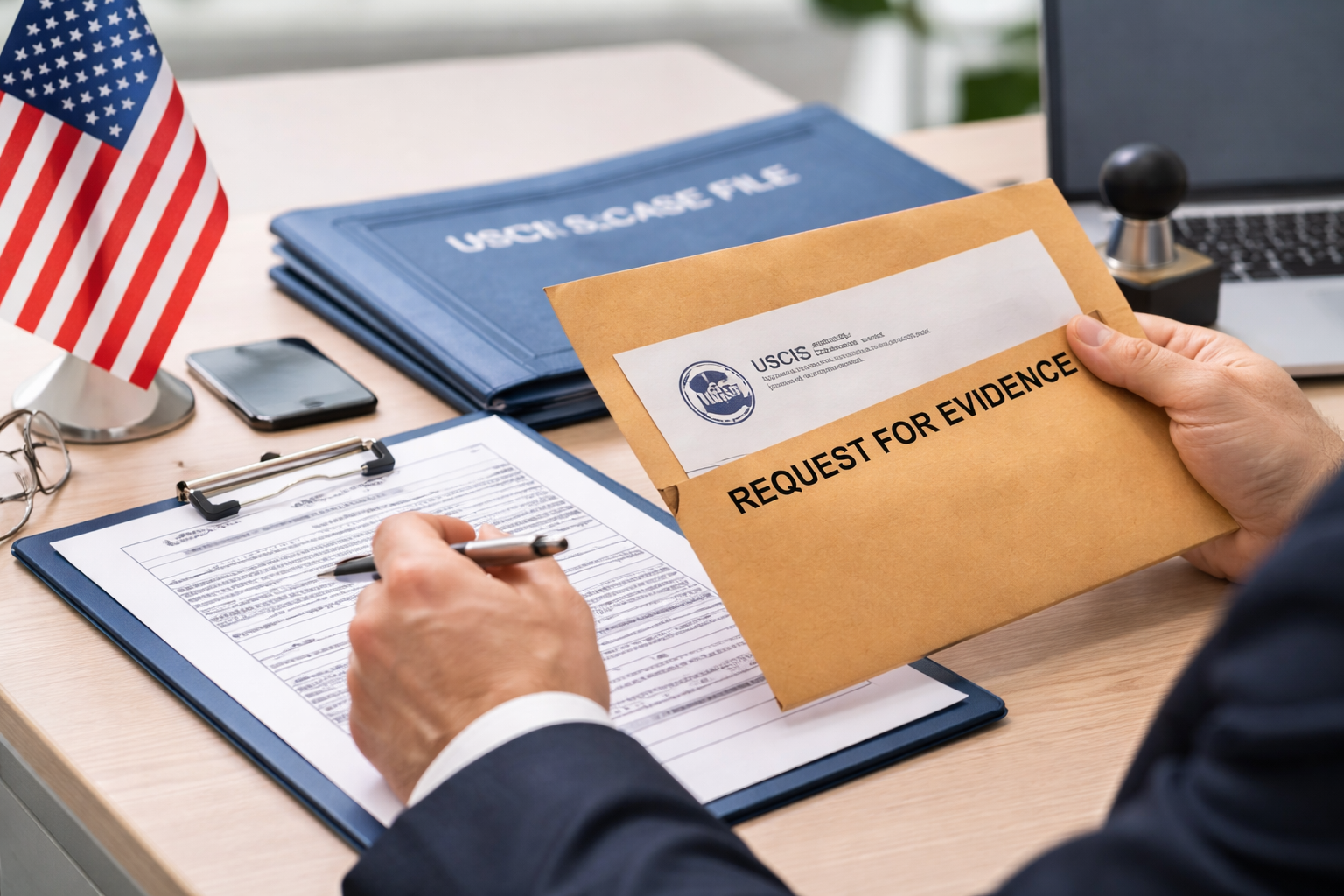
A Request for Evidence is an official notice issued by USCIS when they require more information or documentation to make a decision on your immigration case. RFEs are commonly issued for various reasons, including missing documents, unclear or incomplete forms, or when additional evidence is needed to prove eligibility. It’s important to understand that receiving an RFE is not necessarily a negative development; in fact, it often means USCIS is actively reviewing your case.
Once an RFE is issued, you are given a specific timeframe to respond. Failing to respond within this period or submitting incomplete information can result in delays or even a denial of your case. The sooner you respond with the necessary documents, the sooner USCIS can move forward with your case.
The Timeline for USCIS Review After an RFE
After you’ve submitted your response to an RFE, the next step is for USCIS to review the new evidence provided. On average, the review process can take anywhere from 60 to 90 days. However, several factors can influence this timeline:
- Type of Case: Different immigration applications may require different processing times. For instance, applications for family-based green cards may take different amounts of time compared to employment-based petitions or naturalization applications.
- Complexity of the Case: Some RFEs may request simple missing documents, while others might require more in-depth evidence or legal reviews. If the requested evidence is complex or requires additional verification, it can take longer for USCIS to process the case.
- USCIS Service Center: USCIS operates multiple service centers across the United States, and each may have different caseloads. Depending on which center is handling your case, processing times can vary.
- Volume of Applications: During certain times of the year, USCIS may experience a higher volume of applications, which can also lead to longer processing times for RFEs. This is particularly common in the lead-up to major immigration program deadlines.
See what our clients have to say about our law firm and the people who are a part of it.
- David Amaya Portillo
- Mubarak Ahmad
Client Testimonials
Steps in the USCIS Review Process After an RFE
Once your RFE response is received by USCIS, they begin the process of reviewing the new evidence. Here’s a breakdown of the steps involved:
- Acknowledgment of Receipt: USCIS will first confirm that they’ve received your response. You’ll typically receive an update on your case status, either through their online portal or via mail.
- Evidence Review: USCIS will thoroughly review the documents you’ve submitted in response to the RFE. This could involve verifying the authenticity of documents, checking for consistency, and ensuring that all requested items are provided.
- Decision Making: Once the evidence is reviewed, USCIS will either approve your application, deny it, or request additional evidence (if they still find the response insufficient). If the decision is favorable, you will receive approval and your application will proceed to the next step. In some cases, if they determine the provided evidence is insufficient, they may issue another RFE or outright deny the case.
- Final Decision and Notice: If USCIS makes a decision on your case, they will send you an official notice. If your application is approved, you may receive further instructions regarding the next steps, such as attending an interview, providing biometrics, or receiving your green card, visa, or other documents.
What You Can Do to Speed Up the Process
While there is no guaranteed way to speed up USCIS processing times, you can take several steps to ensure that your case is handled as efficiently as possible:
- Submit Complete and Accurate Information: The more comprehensive and clear your response to the RFE, the faster USCIS can make a decision. Take care to double-check that you are submitting all the requested documents and that they meet USCIS guidelines.
- Follow the Instructions Carefully: USCIS often provides detailed instructions for how to respond to an RFE. Make sure to follow these instructions carefully and submit the requested documents in the format specified.
- Seek Legal Advice if Needed: If you are unsure about the required documents or need assistance navigating the process, consider consulting an immigration attorney. The Scheer Immigration Law Group can provide legal expertise to ensure that you submit a complete and thorough response.
- Respond Promptly: USCIS typically gives a deadline of 30 to 90 days to respond to an RFE. It is important to submit your response as soon as possible within this timeframe to avoid delays. USCIS will not review your case until they have all the required documentation.
What Happens If You Don’t Respond to an RFE?
If you fail to respond to an RFE or don’t provide the requested documents in time, USCIS will assume you are not pursuing your application. As a result, your case may be denied, and you will have to restart the process, potentially losing valuable time. In some cases, USCIS may send you a notice of intent to deny (NOID) before finalizing a denial, giving you an opportunity to address any missing documents. However, this is not guaranteed, and a failure to respond on time can lead to a loss of your application fees and a lengthy delay in your immigration process.
What to Do If You Haven’t Heard Back After 90 Days
It’s not uncommon for applicants to feel anxious if they don’t hear from USCIS after a few months. If more than 90 days have passed since you submitted your RFE response, it’s a good idea to check the status of your case.
- Check Your Case Status Online: USCIS provides an online portal where you can track the progress of your case. This will give you the most up-to-date information about any changes to your case status.
- Contact USCIS: If you haven’t received an update after 90 days, you may contact USCIS directly to inquire about the status of your case. While they cannot guarantee an expedited decision, they will be able to inform you if there are any delays or issues with your case.
- Consult an Attorney: If you’re concerned about the delay, it may be helpful to speak with an immigration attorney. The Scheer Immigration Law Group can help advocate on your behalf and provide guidance if you feel your case is unjustly delayed.
What to Do If Your Case is Denied
In the unfortunate event that USCIS denies your application after reviewing your RFE response, you have several options:
- Appeal the Decision: Depending on the type of case and the reason for the denial, you may have the right to appeal the decision. USCIS will provide instructions on how to file an appeal if this is an option for your case.
- Reapply: In some cases, you may be able to correct the issues that led to the denial and reapply for the same immigration benefit. This process could require you to submit new documents or information.
- Seek Legal Assistance: If you are unsure about how to proceed after a denial, it’s crucial to consult with an immigration attorney. They can help you understand your options and assist with the appeals process or reapplication.
Final Thoughts on the RFE Process
The RFE process can be stressful, but understanding the timeline and what to expect can help alleviate some of that anxiety. By responding promptly and providing accurate documentation, you can ensure that your case proceeds as smoothly as possible. If you’re dealing with an RFE and need expert guidance, The Scheer Immigration Law Group is here to help. Our team of experienced immigration attorneys can assist you every step of the way, from understanding what’s required to ensuring your case is handled efficiently.