
Family reunification lies at the heart of U.S. immigration policy, and the I-130 petition plays a pivotal role in bringing families together. In Sussex County, NJ, understanding the intricacies of the I-130 process is crucial for those seeking family-based immigration. This comprehensive guide will navigate you through the key aspects of the I-130 petition, shedding light on requirements and procedures.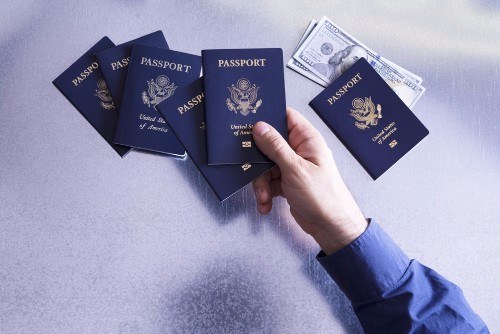
Understanding the I-130 Petition
The I-130 petition, officially known as the Petition for Alien Relative, is the first step in the family-based immigration process. Filed by a sponsoring family member, it establishes the qualifying relationship between the petitioner and the intending immigrant. The United States Citizenship and Immigration Services (USCIS) carefully scrutinizes these petitions to ensure the authenticity and eligibility of the relationships.
Eligibility Criteria
To initiate the I-130 process, the petitioner must be a U.S. citizen or a lawful permanent resident (LPR). This distinction is crucial, as it determines the category under which the petition falls and influences the waiting time for visa availability. U.S. citizens can petition for spouses, parents, children, and siblings, while LPRs are limited to spouses and unmarried children.
Documenting the Relationship
Accurate documentation is the cornerstone of a successful I-130 petition. Verifying the claimed relationship is a meticulous process that requires presenting a variety of supporting documents. These may include birth certificates, marriage certificates, adoption papers, and evidence of any previous marriages or divorces. Ensuring the accuracy and completeness of these documents is imperative to avoid delays or potential denials.
Financial Responsibilities
The petitioner must also demonstrate the ability to financially support the intending immigrant, assuring the USCIS that the sponsored individual will not become a public charge. This often involves submitting an Affidavit of Support (Form I-864), a legally binding contract that commits the petitioner to provide financial support to the sponsored family member.
Processing Times and Waiting Periods
Patience is paramount in the immigration process, as the timeline for I-130 processing varies. The USCIS endeavors to process petitions promptly, but factors such as the type of relationship and the petitioner’s citizenship status can influence waiting times. For immediate relatives of U.S. citizens, such as spouses and unmarried children under 21, the process is generally expedited, while others may face longer waits due to visa availability limitations.
Potential Challenges and Denials
Navigating the I-130 process is not without its challenges. Common issues leading to denials include incomplete documentation, insufficient evidence of the claimed relationship, or financial incapacity of the petitioner. Understanding these potential pitfalls is crucial, as it allows petitioners to address concerns proactively and increase the likelihood of a successful outcome.
Legal Representation in Sussex County, NJ
Given the complexities and potential challenges associated with the I-130 process, seeking legal guidance is a prudent step. In Sussex County, NJ, The Scheer Immigration Law Group stands as a reliable partner for individuals navigating family-based immigration. With a deep understanding of the nuances of immigration law, the firm provides personalized assistance to ensure that I-130 petitions are meticulously prepared and submitted, minimizing the risk of delays or denials.
Understanding the Emotional Aspect
Beyond the legal intricacies, the I-130 process carries a significant emotional weight. Families separated by borders yearn for the day when they can reunite, creating a sense of belonging and continuity. Recognizing the emotional aspect is crucial, as it underscores the importance of a streamlined and efficient immigration process. The Scheer Immigration Law Group, based in Sussex County, NJ, is attuned to the human dimension of immigration, offering not just legal experience but also empathetic support during this transformative journey.
Community Resources and Support Networks
In Sussex County, NJ, a robust network of community resources can further enhance the support structure for those navigating the I-130 process. Local organizations, cultural groups, and community centers often provide valuable assistance and information. These resources can aid in understanding the local dynamics, connecting with others who have undergone similar journeys, and accessing practical advice to ease the integration process.
Educational Initiatives for Informed Decision-Making
The journey through the U.S. immigration system is complex, and informed decision-making is crucial. Educational initiatives in Sussex County can empower individuals with the knowledge they need to navigate the I-130 process effectively. Workshops, seminars, and informational sessions conducted by community organizations can provide valuable insights, demystifying the immigration process and equipping individuals with the tools to make informed decisions about their future.
The I-130 petition is the crucial first step in the journey toward family reunification in the United States. Understanding the intricacies of this process and meeting its requirements is essential for a smooth and successful application. In Sussex County, NJ, The Scheer Immigration Law Group offers comprehensive legal support to individuals and families undertaking the I-130 journey, guiding them through the complexities of U.S. immigration law.
If you are in Sussex County, NJ, and embarking on the I-130 petition process, partner with The Scheer Immigration Law Group for experienced legal assistance. Our dedicated team is committed to ensuring your family-based immigration journey is as seamless as possible. Contact us today to schedule a consultation and take the first step toward bringing your family together in the United States.